
“Zion says, ‘The Lord has abandoned me; The Lord has forgotten me!’ ‘Can a woman forget her nursing child, or lack compassion for the child of her womb? Even if these forget, yet I will not forget you. Look, I have inscribed you on the palms of My hands; your walls are continually before Me. Your builders hurry; those who destroy and devastate you will leave you. Look up, and look around. They all gather together; they come to you. As I live’ — this is the Lord’s declaration — ‘you will wear all your children as jewelry, and put them on as a bride does. For your waste and desolate places and your land marked by ruins — will now be indeed too small for the inhabitants, and those who swallowed you up will be far away. Yet as you listen, the children that you have been deprived of will say, ‘This place is too small for me; make room for me so that I may settle.’ Then you will say within yourself, ‘Who fathered these for me? I was deprived of my children and unable to conceive, exiled and wandering — but who brought them up? See, I was left by myself — but these, where did they come from?’ This is what the Lord God says: ‘Look, I will lift up My hand to the nations, and raise My banner to the peoples. They will bring your sons in their arms, and your daughters will be carried on their shoulders. Kings will be your foster fathers, and their queens your nursing mothers. They will bow down to you with their faces to the ground, and lick the dust at your feet. Then you will know that I am Yahweh; those who put their hope in Me will not be put to shame.’ Can the prey be taken from the mighty, or the captives of the righteous be delivered? For this is what the Lord says: ‘Even the captives of a mighty man will be taken, and the prey of a tyrant will be delivered; I will contend with the one who contends with you, and I will save your children. I will make your oppressors eat their own flesh, and they will be drunk with their own blood as with sweet wine. Then all flesh will know that I, Yahweh, am your Savior, and your Redeemer, the Mighty One of Jacob.’” (Isaiah 49:14-26 HCSB)
Dementia, in all its various forms, is a heinous and unforgiving disease. I know from personal experience. I lost my mother and my wife lost her father to it. Of course, the very next question that you ask is, is it hereditary? How high is my risk for the same disease? Obviously, neither of us want to suffer with it but we also wouldn’t want our family to suffer through it. The biggest challenge was not physical but emotional suffering. It’s hard to watch the gradual but steady decline and be unable to do anything to help. All you can do is to continuously love them, regardless of what they remember or not.
In this second half of Isaiah’s chapter forty-nine, we encounter Zion’s claim that God has forgotten all about their existence. The accusation is very direct and very harsh; “The LORD has abandoned me; the LORD has forgotten me!” We often trust our emotions and feelings more than we trust the faithfulness and Word of our God. It may not be reality, but it is how they feel. Once these emotions start to dominate our hearts and minds, they are often difficult to overcome.
Isaiah draws upon a series of illustrations to counteract their deep seated emotional state and their questions regarding God’s supposed memory or abandonment issues. “Can a woman forget the nursing child at her breast, or lack compassion for the child she’s birthed? Even if that were possible, yet I will not forget you.” He appeals to things they know and have experienced, their own parental emotional ties. We know it may be possible for a mother to forget, to lack compassion for her own child but it’s NOT possible for the LORD to do these things. That simply defies His character, breaks His covenant promise and is not only improbable, but it’s completely impossible for Him. He cannot act out of character with His will, He cannot do anything other than He has already said He would do. If it’s highly unlikely that a mother would ever forget her nursing child or lack compassion for the child she birthed, then it is impossible for God to do so!
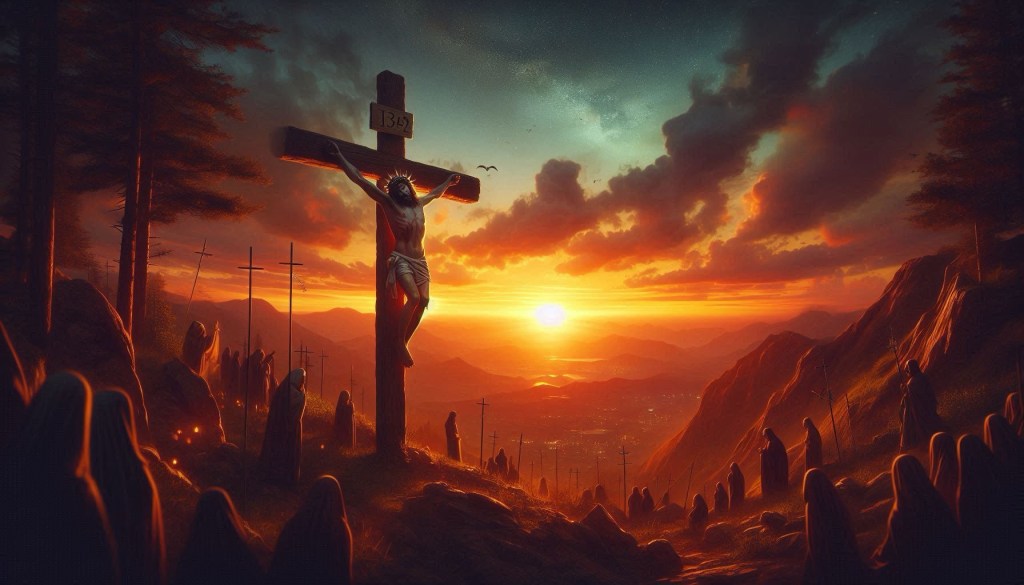
Now, He shows why it’s impossible for Him to have forgotten them: “Look, I have inscribed you on the palms of My hands; your walls are continually before Me.” The word “look” implies that God opens His hands and calls them to come gaze on how their name is inscribed on the palms of His hands. This is intended to bring assurance that God has not and cannot forget them. As if that wasn’t enough, He then says her walls (Lady Zion, God’s people are represented by the city of Jerusalem) are always before His eyes. The walls of the city represent their security, protection and safety. So, He’s continuously watching over them, protecting and caring for them.
In the historical context, the people were questioning God’s love for them, and His lack of care and protection. They were letting their circumstances dictate how they felt about God. Children often do this in response to parental love. When they get what they want, they feel loved and when they don’t they feel unloved. But good parenting and diligent protection isn’t about giving children everything they want and request. Parental love and protection is all about giving them what they truly need and is best for them.
Be honest, you still struggle with these feelings towards God, too. Don’t you? Aren’t there times when God doesn’t give you what you request and you question His love and care for you? We can easily begin to feel as though God has abandoned us, forgotten all about us. But we need to hear His reminder: “How could I abandon my own child? How can I ever forget about you? Look, your name is inscribed in the palms of My hands.”
Consider Christ’s words in your own struggle: “Then He said to Thomas, ‘Put your finger here and observe My hands. Reach out your hand and put it into My side. Don’t be an unbeliever, but a believer.’” (John 20:27 HCSB)
As they grew weak in their faith and their love for God wanes, He promises “those who destroy and devastate you will leave you. Look up, look around. They all gather together; they come to you… you will wear your children as jewelry, you will put them on like a bride being adorned for her wedding.” While there is a mixture of metaphors, pay attention to how they’re used because it really is beatiful.
First, the idea of a woman being barren was considered a curse, but here the woman is Zion, the holy city. That makes it even worse. The city of God cursed to barrenness? But He says, “You will not be barren, your children will return to you. Though they may be few right now, that will change. Your land that lies in desolation, marked by ruins, will now be too small for all your children, her inhabitants.” Those who tried to destroy you and swallow you up, they will be far away – no longer any threat to you. In fact, your children will be so numerous they will say, “This place is too small; make room for me so that I may live here, too.”
But the barren woman asks herself, “Who fathered these for me? I was deprived of my children and unable to conceive, exiled and wandering — but who brought them up? See, I was left by myself — but these, where did they come from?” Zion, the city of God, is full and overflowing with God’s children, but where did they all come from? She’s confused, but God explains: “I will lift up my hand to the nations, and raise My banner to the peoples. They will bring your sons in their arms, and your daughters will be carried on their shoulders. Kings will be your foster fathers, and their queens your nursing mothers… Then you WILL KNOW (emphasis added) that I am Yahweh; those who put their hope in Me will not be put to shame.”
God is drawing His children from the nations, but not in the way you might expect. He’s not just bringing exiles that have been scattered among the nations, He’s bringing newborn children who have been fostered and nursed by these nations. This is where the vision of God’s chosen people begins take on a different look, an unexpected and very diverse look. The kings and queens who foster and nursed God’s children and then carried them home, will bow before Zion in complete submission. Sound familiar? Consider this: “But the Lord said to him [Ananias], “Go! For this man [Saul of Tarsus] is My chosen instrument to take My name to Gentiles, kings, and the Israelites.” (Acts 9:15 HCSB)
God’s doing a new thing, that’s really a very, very old thing: “He [the LORD] took him [Abram/Abraham] outside and said, ‘Look at the sky and count the stars, if you are able to count them.’ Then He said to him, ‘Your offspring will be that numerous.’” (Genesis 15:5 HCSB) All of His promises are converging, combining and coming to fulfillment, in the unexpected and surprising work of the Suffering Servant, Jesus of Nazareth.
Our focal passage ends with a question and a final, definitive answer. The question deals with our doubts: “Can the prey be taken from the mighty, or the captives of the righteous be delivered?” (Isaiah 49:24 HCSB) Can God rescue us [prey/the righteous captives] from our situation [a mighty captor]? Is God really able to deliver us from our captor? His response, “For this is what the Lord says: “Even the captives of a mighty man will be taken, and the prey of a tyrant will be delivered; I will contend with the one who contends with you, and I will save your children.” (Isaiah 49:25 HCSB)
When Jesus is accused by the religious lawyers of His day of being empowered by Beelzebul, Jesus responds this way, “How can Satan drive out Satan? …On the other hand, no one can enter a strong [mighty] man’s house and rob his possessions unless he first ties up the strong man. Then he will rob his house.” (Mark 3:27 HCSB) This implies that Jesus is “tying up” the strong man, Satan, in some manner so that those taken captive can be set free.
God’s final answer to His people’s doubts, “For this is what the Lord says: ‘Even the captives of a mighty man will be taken, and the prey of a tyrant will be delivered; I will contend with the one who contends with you, and I will save your children. …Then all flesh will know that I, Yahweh, am your Savior, and your Redeemer, the Mighty One of Jacob.’” (Isaiah 49:25-26 HCSB) God is showing people His love for them by redeeming them from the tyrant’s prison, binding the strong man and setting His captives free.
“But God PROVES His own love for us in that while we were still sinners, Christ died for us!” (Romans 5:8 HCSB) The barren woman, Lady Zion, is no longer barren, just as God promised.
Oh, I told you that Isaiah used a mixture of metaphors – the barren, childless woman and the bride being adorned for her wedding day. We’ve spent most of our time considering the first metaphor. I want to finish up with us considering the second, the bride being adorned for her wedding. At first glance, it may seem a bit odd for scripture to reference children as an adornment for a bride’s wedding. However, a bride/wife metaphor is common in scripture when referencing the relationship between God and His people. It is common in the Old Testament in books like Hosea, but it is also common in the New Testament in Paul’s epistles and Revelation.
“I also saw the Holy City, new Jerusalem, coming down out of heaven from God, prepared like a bride adorned for her husband.” (Revelation 21:2 HCSB)
The “adornment” of this bride, God’s Holy City – Lady Zion, that Isaiah sees is the same one the Apostle John sees in Revelation. Her adornment or jewelry that she wears are her children that have come to faith in Christ. Let that sink in. What emphasizes the beauty of the Bride are the objects of Christ’s love, those He died to save – you and me. We may not be very pretty, but we’re sparkling gems adorning God’s bride, the Church or Lady Zion.
In conclusion, God has made everything ready. His Son is getting married and the bride is getting herself ready. The invitations have gone out and you’re on the list. No need to worry, God’s done all the prep and the only gift required is your appropriately dressed attendance. Prior engagement? For this event, it’s best to just clear your calendar. You DON’T want to miss this!
Unfortunately, many will refuse God’s invitation. He’s accomplished everything necessary for us to attend, even invited us as guests of honor but many refuse to come. We’ve been set free from the tyrant’s control, but we choose to live as captives. We’ve grown so comfortable living as exiles in a foreign land, we refuse the invitation to return home and live in the LORD’s presence. It doesn’t matter which metaphor you choose, our response makes no sense. We are loved by God, but most reject His love because it doesn’t look like what they asked for.
How about you? Will you reject His love because of your childish view of how it should look? Do you really want your own way when God’s way is clearly best?
The wedding is about to begin, you don’t want to miss out!
 Hilltop Baptist Church - Shawnee, OK
Leave a comment